
The Process of Creating Your Own Apparel Design
- Adynox Industries

- Jun 17, 2025
- 4 min read
Updated: Jul 13, 2025
Creating your own apparel design can be both an exciting and challenging endeavor. Whether you want to express your unique style or launch a small clothing business, understanding the intricacies of apparel design is crucial. In this blog post, we’ll guide you through the step-by-step process of creating your very own apparel design, providing you with practical insights, tips, and tricks to help you achieve your goals.
Understanding Apparel Design
Before diving into the actual design process, it’s essential to understand what apparel design entails. Apparel design refers to the creation of clothing, encompassing everything from sketching initial ideas to selecting fabrics and producing the final product. It combines creativity with technical skills, requiring knowledge of fashion trends, materials, and manufacturing processes.
Research is a significant part of apparel design. Familiarize yourself with current fashion trends, consumer preferences, and the market you aim to enter. Understanding different styles, colors, and patterns will enable you to craft appealing designs.

Identifying Your Target Audience
To create an effective apparel design, it is crucial to identify your target audience. Who do you envision wearing your clothing? Consider demographics such as age, gender, lifestyle, and fashion preferences. Understanding your audience will help you tailor your designs to meet their specific needs.
For instance, if your target audience consists of young adults interested in streetwear, your designs may need to incorporate bold graphics, vibrant colors, and modern silhouettes. Conduct surveys or engage with potential customers on social media to gain insights into their preferences and expectations.
Brainstorming Design Ideas
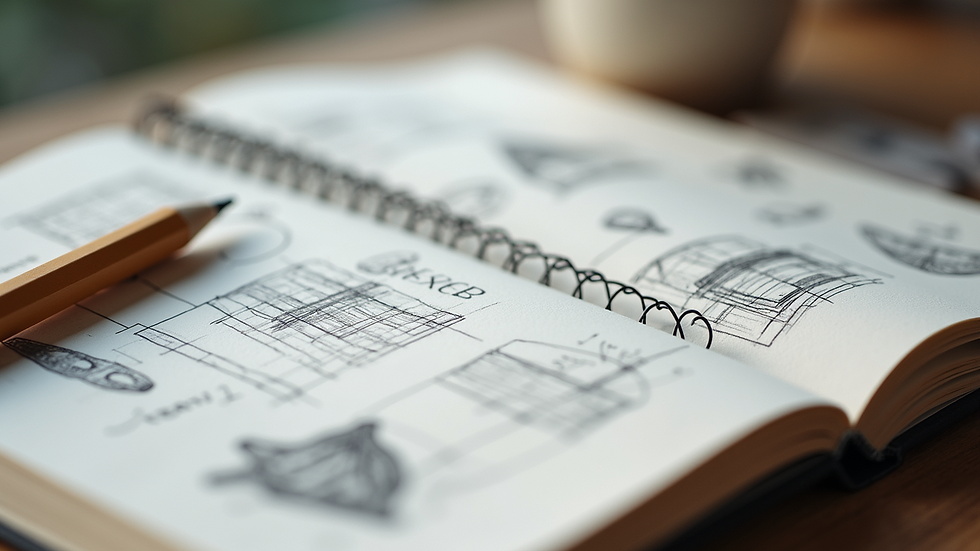
Now that you have a good grasp of your target audience, it’s time to brainstorm design ideas. Start by sketching or writing down any concepts that come to mind. No idea is too far-fetched at this stage. You can draw inspiration from various sources such as:
Nature and landscapes
Art and culture
Other fashion designers
Everyday objects
Once you have a collection of ideas, narrow them down based on your audience's preferences and trends you noted during your research. Consolidating your concepts will guide you toward a more cohesive design.
Creating Technical Specifications
Once you finalize your design concept, it's time to create technical specifications. Technical specifications are detailed documents that outline every aspect of your design, including:
Fabric selection and colors
Measurements and sizing
Construction techniques
Embellishments and finishing details
Having a technical specification ensures that your design is communicated effectively to manufacturers or anyone who will be involved in the production process. Use software like Adobe Illustrator or other design tools to create professional-grade technical sketches that contain precise measurements.
Prototyping Your Apparel
With your technical specifications in hand, it’s time to move on to prototyping. Prototyping involves creating a sample of your design to assess its functionality, fit, and overall appeal. This step is critical because it allows you to see your design come to life before full-scale production.
For prototyping, you can either sew the sample yourself if you have the skills, or hire a professional. Focus on the following aspects during this phase:
Fit: Ensure the garment fits as intended. Adjust patterns if necessary.
Functionality: Test each aspect of the design, from pockets to zippers.
Visual Appeal: Confirm that the colors and patterns flow well together.
Providing feedback and making changes during this phase can save you time and resources in the long run.

Custom Apparel Design Production Process
If your prototype meets your expectations, it’s time to move on to the production phase. There are a few key factors to consider at this stage:
Choosing a Manufacturer: Research and connect with potential manufacturers who can bring your design to life. Whether you choose a local or overseas manufacturer depends on your budget, quantity, and desired quality level.
Understanding Costs: Itemize all costs associated with manufacturing, including materials, labor, and shipping. This will help you establish a pricing strategy for your final products.
Quality Control: Implement a quality control plan to ensure that every piece meets your standards. This may involve inspecting samples before mass production or setting quality metrics to evaluate finished products.
By investing in a robust production process, you ensure that what you deliver to your customers exceeds their expectations.
Marketing and Launching Your Apparel Design
Once your apparel is ready for sale, the next step is to market and launch it. Develop a marketing strategy that showcases your unique designs. Use social media, influencer partnerships, and email campaigns to reach your target audience effectively.
Consider creating an eye-catching website that features your collection, provides sizing guides, and allows customers to purchase directly. Utilizing platforms like Instagram and Pinterest can help in showcasing your designs visually, attracting potential buyers through innovative content.
Final Thoughts
Embarking on your journey to create your own apparel design is both rewarding and involving. By understanding the design process, identifying your audience, and investing time in prototyping and marketing, you set yourself up for success. Remember to embrace creativity, learn from challenges, and always seek inspiration from the world around you.
To learn more about how to manage your design journey, explore the possibilities of custom apparel design to elevate your creations to the next level. With dedication and passion, your apparel designs can not only tell your story but also resonate with many others.


Comments